Creatine for Women in 2026: The Brain Health Benefits You Are Missing
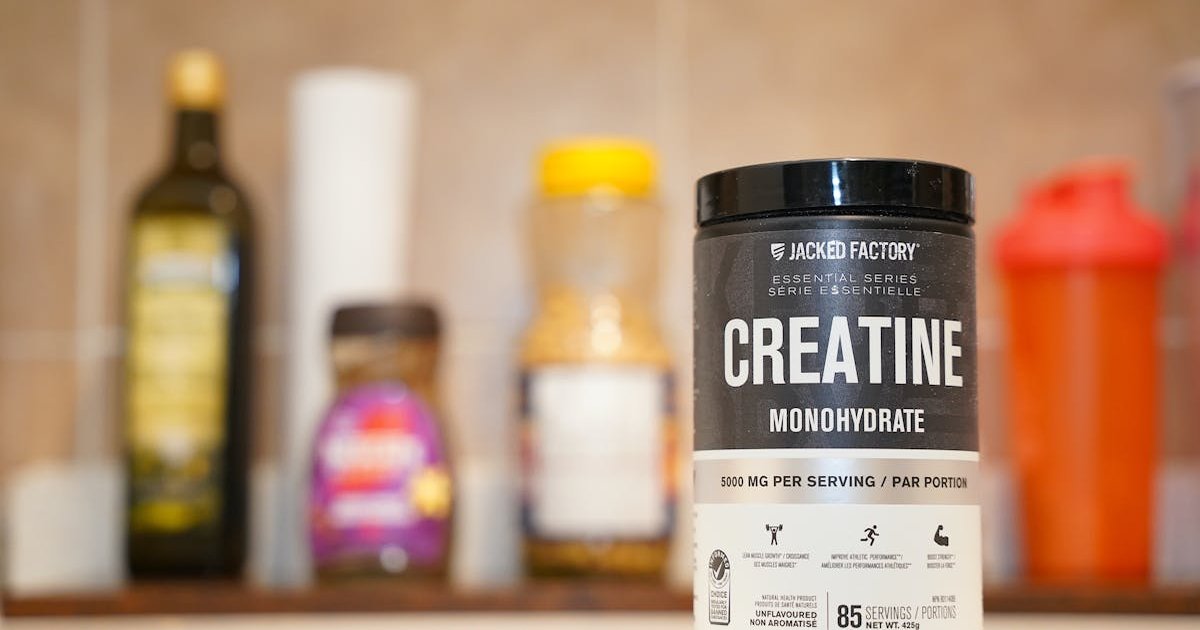
Creatine isn't just for bodybuilders. New research shows creatine for women boosts brain health, mood, and energy. Here's what science says and how to start.
For decades, creatine sat firmly in the “gym bro” category — a white powder scooped into shaker bottles by bodybuilders chasing bigger lifts. But 2026 has flipped that script entirely. New clinical research, surging search interest (up 123% year-over-year for “creatine for women”), and a wave of female-focused products have pushed creatine into the mainstream wellness conversation. And the reasons go far beyond muscle.
Recent studies now show that creatine may be one of the most underrated supplements for women’s brain health, mood stability, and energy — especially during perimenopause and menopause.
Here is what the science actually says, who should consider supplementing, and how to get started.
TL;DR: Creatine is no longer just a muscle-building supplement. New 2025-2026 research shows it significantly improves cognitive function, mood, and energy in women — particularly during menopause. Women naturally produce and consume less creatine than men, making supplementation especially valuable. A daily dose of 3-5 grams (or up to 8-10 grams for full-body benefits) is safe, well-tolerated, and increasingly recommended by researchers.
Why Women Need Creatine More Than They Think
Your body produces creatine naturally, primarily in the liver and kidneys. It is also found in red meat, fish, and poultry. But here is the catch: women produce less creatine than men do, and typically eat less of it too, especially if they follow a plant-forward or vegetarian diet.
According to UCLA Health researchers, females have been reported to have lower levels of creatine in the brain, particularly in the frontal lobe — the region that controls mood, cognition, memory, and emotion. This gap means women may stand to benefit even more from supplementation than men.
The numbers tell the story. The global supplement market now sees 46% of consumers actively seeking magnesium when shopping, but creatine awareness among women is catching up fast. Search volume for “creatine for women” has hit 49,500+ monthly searches with triple-digit growth, and creatine gummies (a more approachable format) now pull 60,500 monthly searches.
What the Latest Research Shows
The CONCRET-MENOPA Trial
One of the most significant recent studies is the CONCRET-MENOPA randomized controlled trial, published in the Journal of the American Nutrition Association. This 8-week study tested creatine hydrochloride and creatine ethyl ester supplementation in perimenopausal and menopausal women.
The results were noteworthy:
- Medium-dose creatine HCl was superior to placebo in enhancing reaction time
- Supplementation increased frontal brain creatine levels measurably
- Participants experienced reduced severity of mood swings
- Creatine HCl was found to be a safe and effective strategy for alleviating common menopause symptoms, including cognitive decline, fatigue, and mood disturbances
- All interventions were well tolerated with no severe adverse effects reported
Brain Health Beyond Menopause
A comprehensive review published in the Journal of the International Society of Sports Nutrition examined creatine’s effects across women’s entire lifespan — from menstruation through pregnancy to menopause. The findings suggest creatine supports not just cognitive function but also muscle and bone health, which is especially relevant post-menopause when estrogen decline accelerates bone density loss.
Separate Alzheimer’s research published in 2025 used higher doses (20 grams daily over eight weeks) and showed significant improvements in cognitive markers. While these doses are above the standard recommendation, they point to creatine’s potential as a neuroprotective agent.
The New Dosing Standard
Researchers presenting at SupplySide Global 2025 advocated for higher creatine doses to support brain and bone health. The emerging consensus: 8-10 grams daily may become the new standard for achieving full-body benefits, up from the traditional 3-5 gram recommendation that was designed primarily for muscle performance.
How to Choose the Right Creatine Supplement
Not all creatine is created equal. Here is what to look for when shopping.
Creatine Monohydrate remains the most studied form with the deepest evidence base. It is also the most affordable option. If you are new to creatine, this is where to start. Look for products that carry the Creapure certification, which guarantees pharmaceutical-grade purity.
Creatine HCl (Hydrochloride) showed strong results in the CONCRET-MENOPA trial and may cause less bloating than monohydrate for some people. It dissolves more easily in water, making it a good choice if you have experienced digestive discomfort with monohydrate.
Creatine Gummies are the fastest-growing format in 2026. They eliminate the need for mixing powder and make daily supplementation as simple as taking a vitamin. The trade-off is a slightly higher cost per serving and added sugars in some brands.
Product Recommendations
When shopping for creatine, prioritize third-party tested products. Here are formats worth considering:
- Micronized creatine monohydrate powder — the gold standard for value and research backing. A 60-serving tub typically runs under $20 and lasts two months.
- Creatine HCl capsules — convenient for travel and portion control. Ideal if powder mixing is not your thing.
- Creatine gummies — the most approachable option for supplement newcomers. Look for brands with at least 1.5 grams per serving to ensure an effective dose.
- Flavored creatine powder blends — many newer products combine creatine with electrolytes, B-vitamins, or collagen for a multi-benefit approach.
Addressing Common Concerns
Will Creatine Make Me Gain Weight?
Creatine draws water into muscle cells, which can cause a slight increase on the scale (typically 1-3 pounds). This is intracellular water retention — not fat gain and not the puffy bloating most people fear. Many women report that the increased cell hydration actually gives muscles a more defined, toned appearance.
Is Creatine Safe Long-Term?
Creatine monohydrate has been studied for over 30 years. The International Society of Sports Nutrition has stated it is one of the most well-researched and safest supplements available. The CONCRET-MENOPA trial specifically confirmed safety in menopausal women with no severe adverse effects.
Do I Need a Loading Phase?
No. While some protocols suggest 20 grams daily for 5-7 days to “load” muscles faster, a consistent daily dose of 3-5 grams will fully saturate your muscles within 3-4 weeks. Skipping the loading phase avoids potential digestive discomfort.
Who Should Consider Creatine Supplementation
Based on current research, the following groups may benefit most:
- Women over 35 approaching or experiencing perimenopause
- Menopausal and post-menopausal women seeking cognitive and bone support
- Vegetarians and vegans who get little to no dietary creatine
- Active women looking to improve recovery and performance
- Anyone experiencing brain fog, low energy, or mood fluctuations
- Busy professionals wanting sharper focus and mental stamina
Frequently Asked Questions
When is the best time to take creatine?
Timing matters less than consistency. Some research suggests taking creatine after a workout with a meal may slightly improve absorption, but the most important factor is taking it daily. Pick a time that fits your routine — with breakfast, post-workout, or before bed — and stick with it.
Can I take creatine with other supplements?
Yes. Creatine pairs well with most supplements. It stacks naturally with protein powder, magnesium (especially magnesium glycinate for sleep), and vitamin D. There are no known negative interactions with common supplements or medications, though you should always check with your healthcare provider if you take prescription drugs.
How long before I notice results?
Most people notice improved workout performance within 2-3 weeks. Cognitive benefits may take 4-8 weeks to become apparent, as brain creatine levels build more gradually than muscle stores. The CONCRET-MENOPA trial ran for 8 weeks, which appears to be the minimum timeframe for measurable brain-related benefits.
Is creatine safe during pregnancy?
Research on creatine during pregnancy is still emerging. Some animal studies show promise for fetal neuroprotection, but human data is limited. Consult your OB-GYN before supplementing during pregnancy or breastfeeding.
Does the form of creatine matter?
For most people, creatine monohydrate is the best starting point due to its extensive research backing and low cost. Creatine HCl is a solid alternative if you experience digestive issues. Regardless of form, third-party testing (look for NSF Certified for Sport or Informed Sport logos) is more important than the specific type.
Your Action Plan: Getting Started This Week
Creatine supplementation does not need to be complicated. Here is a straightforward plan to begin:
- Choose your format. Micronized creatine monohydrate powder offers the best value. Gummies or capsules work if convenience is your priority.
- Start with 3-5 grams daily. No loading phase required. Mix powder into water, coffee, or a smoothie.
- Be consistent. Take it at the same time every day. Set a phone reminder if needed.
- Track how you feel. Note energy levels, mood, workout performance, and mental clarity over the first 8 weeks.
- Stay hydrated. Creatine increases water retention in muscles, so aim for an extra 8-16 ounces of water daily.
- Reassess at 8 weeks. This is the timeframe used in clinical trials. If you notice benefits, continue. If not, discuss dosing adjustments with a healthcare provider.
The science is clear and growing: creatine is no longer optional only for athletes. For women navigating the cognitive, emotional, and physical demands of busy professional life — especially those approaching midlife — it may be one of the simplest, safest, and most cost-effective supplements available today.