Creatine Beyond Muscle: Brain, Bone, and Sleep Benefits in 2026
Creatine is no longer just for bodybuilders. Discover the latest research on creatine for brain health, bone density, sleep, and women's wellness in 2026.
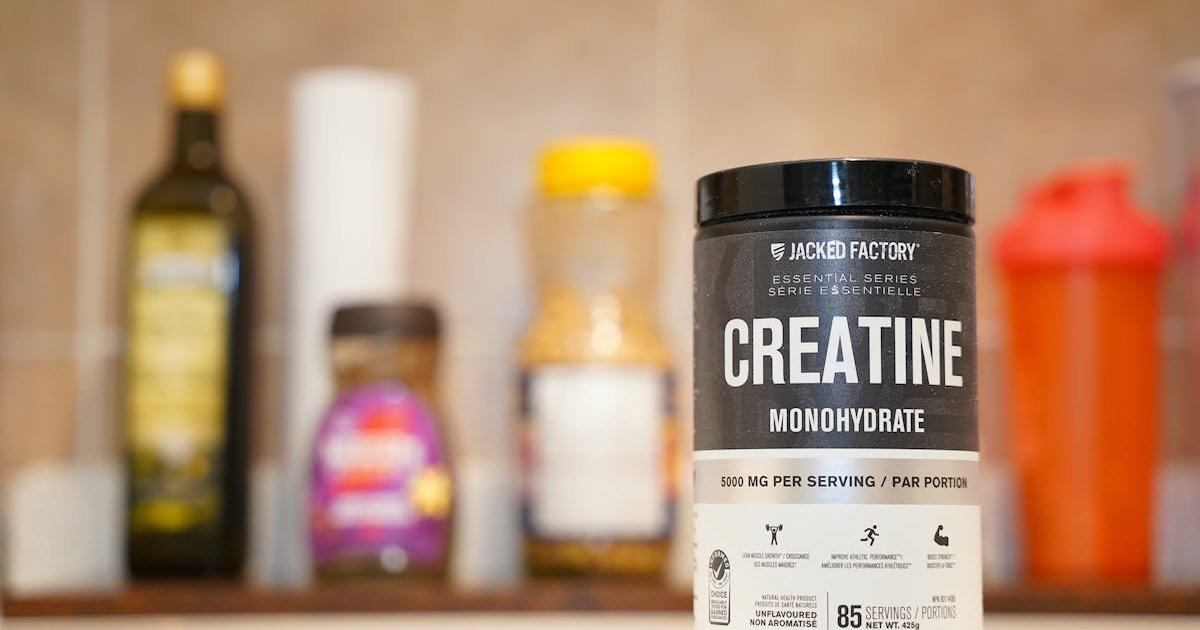
You take creatine to build muscle. Or you don’t take it because you think it’s only for gym bros chugging protein shakes in a locker room. Either way, you’re probably missing the bigger picture. In 2026, creatine has quietly become one of the most researched and broadly beneficial supplements on the planet — and the latest science says it does far more than help you squeeze out an extra rep on the bench press.
From sharpening your brain after a rough night of sleep to preserving bone density as you age, creatine is having a major moment. Here’s what the research actually says, who should consider taking it, and how to get started.
TL;DR
Creatine monohydrate is no longer just a gym supplement. Emerging research in 2025-2026 shows meaningful benefits for cognitive function, sleep resilience, bone health, and mood — especially for women and aging adults. The recommended dose is shifting upward from 3-5g to 5-10g daily for full-body benefits. Creatine monohydrate remains the gold standard form, with 25+ years of safety data behind it.
What Is Creatine, and Why Is It Trending Again?
Creatine is a naturally occurring compound found in red meat and fish. Your body also produces it in the liver, kidneys, and pancreas. It plays a central role in recycling ATP — the primary energy currency of your cells — which is why it was originally studied for explosive exercise performance.
But here’s the thing: every cell in your body uses ATP. Your brain alone accounts for roughly 20% of your total energy expenditure. That’s why researchers started asking a simple question: if creatine helps muscles produce more energy, what happens when you give your brain more of it?
The answer, according to a growing body of peer-reviewed studies, is quite a lot.
Creatine for Brain Health and Cognitive Performance
A 2026 review published by the Gatorade Sports Science Institute confirmed that creatine supplementation can increase brain creatine levels and improve measures of cognitive function, including memory, processing speed, and executive function.
The benefits appear strongest when the brain is under stress. Sleep-deprived individuals who supplemented with creatine performed significantly better on cognitive tests compared to placebo groups. If you’ve ever experienced the mental fog of a bad night’s sleep, creatine may help take the edge off.
Key findings from recent research:
- Creatine reduced perceived mental fatigue during sustained cognitive tasks
- Sleep-deprived participants showed improved reaction time and working memory
- Effects were more pronounced at higher doses (8-10g daily vs. the traditional 3-5g)
- Mood regulation also showed improvement, particularly during periods of stress
For busy professionals juggling deadlines, travel, and inconsistent sleep, this alone makes creatine worth considering — even if you never set foot in a gym.
Creatine and Sleep: A Surprising Connection
While creatine won’t knock you out like melatonin, recent research suggests it plays a supportive role in sleep quality and next-day performance. A randomized, double-blind, placebo-controlled crossover trial published in PMC examined creatine monohydrate loading and its effects on sleep metrics, physical performance, and cognitive recovery in physically active men.
The premise is straightforward: better cellular energy reserves mean your brain and body recover more efficiently during sleep. While this area of research is still developing, early results are promising enough that sleep researchers are paying close attention.
If you’re already optimizing your sleep hygiene — dark room, cool temperature, consistent schedule — creatine may complement those habits by helping your brain capitalize on the rest you’re getting.
Bone Health: Creatine’s Role in Healthy Aging
This is where the research gets particularly interesting for women and older adults. A study published in the Journal of the International Society of Sports Nutrition demonstrated that creatine combined with resistance training helped preserve bone mineral density in post-menopausal women over a 12-month intervention period.
Why does this matter? After menopause, estrogen levels drop sharply, accelerating bone loss. Traditional interventions include weight-bearing exercise and calcium supplementation. Creatine may offer an additional lever by improving the quality and intensity of resistance training — the single most effective exercise modality for bone health.
Researchers at SupplySide Global 2025 advocated for higher creatine doses (8-10g daily) to support brain and bone health, signaling a shift in how the supplement industry and medical community view optimal dosing.
Creatine for Women: Closing the Gap
Women typically carry 70-80% lower endogenous creatine stores compared to men, largely because they tend to eat less red meat. This means supplementation may produce a proportionally greater effect in women.
Emerging benefits for women include:
- Support for muscle and bone health, especially post-menopause
- Reduced brain fog during perimenopause
- Improved strength output during resistance training
- Potential mood stabilization benefits
Despite these findings, creatine remains significantly under-consumed by women. Much of this stems from outdated myths about bloating and “bulking up.” Modern research consistently shows that creatine does not cause fat gain and that any initial water retention is intracellular — meaning it occurs within the muscle, not under the skin.
Creatine Supplement Comparison: Which Form Should You Choose?
| Feature | Creatine Monohydrate | Creatine HCL |
|---|---|---|
| Research Backing | 25+ years, hundreds of studies | Limited studies |
| Bioavailability | 100% | Similar when doses are matched |
| Typical Dose | 3-10g daily | 1-3g daily |
| Solubility | Moderate (may settle in water) | High (dissolves fully) |
| GI Tolerance | Good for most; some bloating reported | Generally easier on the stomach |
| Cost | Very affordable (~$0.03/g) | More expensive (~$0.15/g) |
| Best For | Most people; strongest evidence base | Those with sensitive stomachs |
Top picks for 2026:
- Best Overall: Thorne Creatine — NSF Certified for Sport, single-ingredient, truly tasteless. Ideal for mixing into any beverage.
- Best for Sensitive Stomachs: Kaged Creatine HCL — dissolves completely, gentle on digestion, no bloating.
- Best Budget Option: Swolverine Creatine — 100% monohydrate, no additives, clinically backed 5g dose per serving.
How to Start Taking Creatine: Practical Action Steps
Option A — Simple Daily Dose (Recommended for most people): Take 5g of creatine monohydrate daily, mixed into water, coffee, or a smoothie. No loading phase needed. Muscle saturation takes about 3-4 weeks.
Option B — Loading Protocol (Faster results): Take 20g daily (split into four 5g doses) for 5-7 days, then drop to 5-10g daily for maintenance. You’ll reach full saturation in about a week.
Option C — Higher-Dose Protocol (For brain and bone benefits): Based on emerging research, 8-10g daily may be needed for cognitive and bone-density benefits. Start at 5g and increase gradually over two weeks.
Timing: It doesn’t matter much. Consistency matters more than timing. Pick a daily habit (morning coffee, post-workout shake) and attach your creatine dose to it.
Frequently Asked Questions
Does creatine cause weight gain?
Creatine can cause a modest increase in body weight (1-2 kg) due to intracellular water retention in muscle tissue. This is not fat gain. Most people find the effect stabilizes after the first two weeks.
Is creatine safe long-term?
Yes. Creatine monohydrate is one of the most extensively studied supplements in history. Studies spanning up to five years show no adverse effects on kidney or liver function in healthy adults. If you have pre-existing kidney disease, consult your doctor first.
Should women take creatine?
Absolutely. Women may benefit even more than men due to lower baseline creatine stores. Research supports benefits for bone health, cognitive function, and muscle strength — particularly during and after menopause.
Can I take creatine without working out?
Yes. While creatine and exercise together produce the strongest results, the cognitive and neuroprotective benefits don’t require exercise. That said, combining creatine with resistance training amplifies nearly every measured benefit.
Does creatine affect sleep?
Current evidence suggests creatine does not disrupt sleep and may actually improve how well your brain recovers during sleep. It’s not a sleep supplement per se, but it supports the energy systems your brain relies on for overnight restoration.
Conclusion: Your Action Plan
Creatine in 2026 is no longer a niche bodybuilding supplement — it’s a broadly beneficial compound with an impressive safety profile and expanding evidence for brain, bone, and metabolic health.
Here’s what to do this week:
- Pick a creatine monohydrate product from a reputable brand with third-party testing (Thorne, Swolverine, or Kaged are solid choices).
- Start with 5g daily mixed into your morning coffee or water. No loading phase necessary.
- Pair it with resistance training 2-3 times per week for maximum benefit — especially for bone health and body composition.
- Give it 4 weeks before evaluating. Creatine’s benefits build gradually as tissue stores reach saturation.
- Track how you feel — energy levels, mental clarity, workout performance. Most people notice a difference within the first month.
The science is clear, the cost is minimal, and the downside risk is effectively zero for healthy adults. If there’s one supplement worth adding to your routine in 2026, creatine is it.
Related Posts

Creatine for Beginners: Everything You Need to Know in 2026
The most studied supplement in fitness history. Here's what creatine actually does, how to take it, and which brand to buy.
The Evidence-Based Morning Routine for Sharper Focus
Skip the 5AM cold plunges. Here's what the research actually says about building a morning routine that improves cognitive performance.